

No products in the cart.
Return To Shop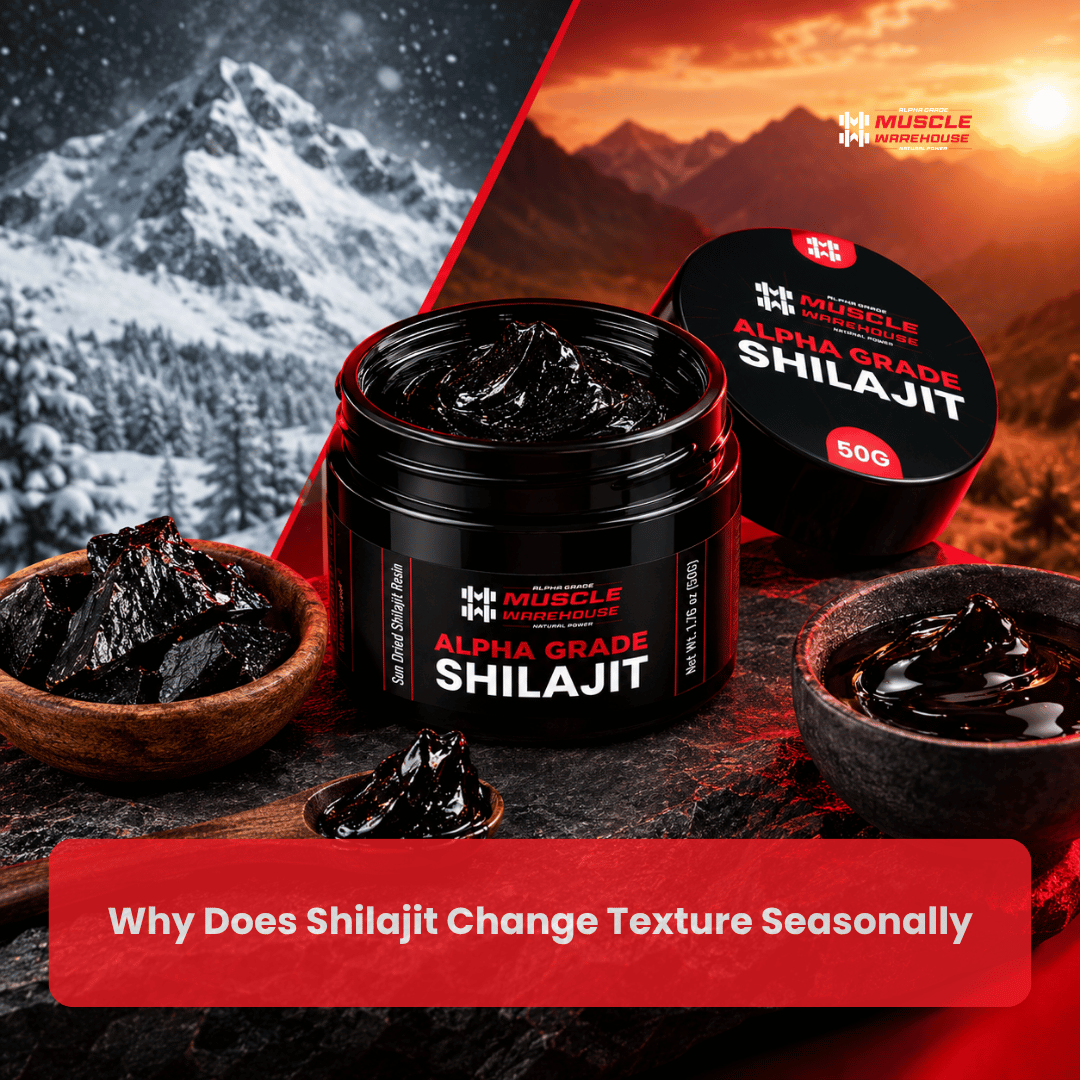
Why Does Shilajit Change Texture Seasonally?
Why Does Shilajit Change Texture Seasonally is a common question among people who use or buy Shilajit resin. You may notice that Himalayan Shilajit feels firm during colder months but becomes softer and more pliable when temperatures rise. These changes can be particularly noticeable when storing Shilajit at home in the UK.
Shilajit resin has a thick natural consistency, and temperature can affect its physical texture. Therefore, a change in firmness does not necessarily mean that the product itself has changed in quality or composition.
Why Does Shilajit Change Texture Seasonally Due to Temperature?
Why Does Shilajit Change Texture Seasonally can largely be explained by changes in surrounding temperature. Like other thick natural substances, Shilajit resin can respond to warmer and cooler conditions.
When temperatures fall, the resin can become firmer and harder to scoop. In warmer conditions, it can become softer, stickier and easier to handle.
This means the same Shilajit resin can have a noticeably different texture at different times of the year, even when it has been stored in the same container.
What Happens to Shilajit Resin in Cold Weather?
During colder weather, Shilajit resin may become considerably firmer. This can happen when the jar is stored in a cool room, cupboard or another location with lower temperatures.
You may notice that:
- The resin feels harder than usual
- A spoon takes more effort to move through it
- The surface appears firmer
- The resin is less flexible
- It takes longer to remove a small amount
These physical changes are expected when a thick resin is exposed to cooler temperatures.
For UK buyers, this may be especially noticeable during winter when indoor temperatures can vary considerably between heated and unheated areas.
What Happens to Shilajit During Warm Weather?
As temperatures increase, Shilajit resin can become softer and more pliable. This can make it easier to scoop, although it may also become more adhesive.
During warmer conditions, you may notice that the resin:
- Feels softer
- Moves more easily
- Sticks to a spoon
- Becomes more flexible
- Appears less firm
Consequently, Why Does Shilajit Change Texture Seasonally is often a question of physical consistency rather than a simple indicator of product quality.
Does a Texture Change Mean Shilajit Has Gone Bad?
A seasonal texture change alone does not necessarily mean that Shilajit has gone bad. Temperature can naturally influence the consistency of resin.
However, buyers should pay attention if texture changes are accompanied by other unusual signs. Check the product packaging, appearance and smell, and follow the manufacturer’s storage guidance.
If the container is damaged, contaminated or the product appears significantly different from its expected condition, contact the supplier before using it.
Texture should therefore be considered alongside the overall condition of the product.
How Should You Store Himalayan Shilajit?
Proper storage is important throughout the year. The best approach is to follow the storage instructions supplied with your specific product.
Some simple habits can help when storing Himalayan Shilajit:
- Keep the container properly closed
- Use a clean and dry spoon
- Avoid introducing water into the jar
- Keep the product away from direct sunlight
- Avoid excessive heat
- Store it according to the manufacturer’s instructions
Keeping the container closed also helps limit unnecessary exposure to moisture and the surrounding environment.
Can Cold Shilajit Resin Be Easier to Handle?
If Shilajit resin becomes very firm during cold weather, allowing the sealed container to reach a moderate room temperature may make the product easier to handle.
There is usually no need to apply strong or direct heat. Avoid placing the container against a radiator, hob or other strong heat source.
Instead, follow the manufacturer’s handling guidance and allow the product to adjust gradually to normal room conditions.
This can make scooping easier without exposing the resin to unnecessary heat.
Does Softer Shilajit Mean Better Quality?
Not necessarily. A soft texture does not automatically prove that Shilajit is higher quality, just as a firm texture does not automatically indicate lower quality.
Temperature, storage conditions and the environment can all affect the physical consistency of resin.
Therefore, Why Does Shilajit Change Texture Seasonally should not be answered by using texture alone as a quality test.
When comparing Shilajit products, look at broader information such as source, ingredients, processing, laboratory testing and supplier transparency.
Why Resin Changes More Than Capsules
Seasonal texture changes are mainly noticeable with Shilajit resin because resin has a thick physical consistency.
Capsules are enclosed in a solid shell, so temperature changes do not create the same visible texture difference for the consumer. Shilajit drops are also different because they are supplied in liquid form.
For this reason, buyers should consider the product format when comparing their experience with Shilajit.
Muscle Warehouse offers Shilajit resin, capsules and drops, giving customers different formats to consider according to their preferences and routine.
Why UK Weather Can Affect Shilajit Texture
The UK has noticeable seasonal temperature changes. Indoor conditions can also vary depending on heating, ventilation and storage location.
For example, a jar stored in a cool cupboard during winter may feel much firmer than the same product kept in a warmer room during summer.
Therefore, Why Does Shilajit Change Texture Seasonally is particularly relevant for UK customers who may experience different storage temperatures throughout the year.
The product can look and feel different while simply responding to its surrounding environment.
What Should You Check Before Buying Shilajit?
Texture is only one physical characteristic to consider when choosing Shilajit. Before purchasing, review the available product information carefully.
Look for:
- Clear source information
- Ingredient details
- Product quantity
- Serving instructions
- Storage guidance
- Available laboratory testing
- Processing information
- Supplier contact details
These factors provide a more useful basis for comparing different Shilajit products than texture alone.
Understanding Seasonal Shilajit Changes
Understanding Why Does Shilajit Change Texture Seasonally can help buyers avoid unnecessary concern when their resin feels different at different times of the year.
Cold temperatures can make Shilajit resin firmer, while warmer conditions can make it softer and more pliable. These physical differences are linked to temperature and storage conditions.
However, buyers should still follow the manufacturer’s instructions and check the overall condition of the product. Any significant or unexpected change should be assessed carefully rather than judged by texture alone.
Conclusion
Why Does Shilajit Change Texture Seasonally can usually be explained by temperature and storage conditions. Cooler environments can make Shilajit resin firmer, while warmer temperatures can make it softer and more workable.
Texture alone should not be treated as a complete measure of quality. Instead, consider source, ingredients, processing, laboratory testing, storage information and supplier transparency when comparing Pure Himalayan Shilajit.
Looking for Pure Shilajit in the UK? Explore Muscle Warehouse’s Shilajit resin, capsules and drops and review the available product information before choosing a format that suits your routine.
Related posts

Dibenzo-Alpha-Pyrones in Shilajit are a group of organic compounds discussed in scientific research into the chemical composition of this natural material. Researchers study these compounds... Continue reading

Shilajit Composition can differ between natural samples because geological conditions, organic materials, geographical origins and environmental factors vary across mountain regions. Although Shilajit often appears... Continue reading
The history of Shilajit research spans centuries, from traditional medical records to modern scientific investigations into its chemical composition, geological origins and potential biological effects.... Continue reading

The Chemical Composition of Shilajit is an important area of scientific research because Shilajit contains a complex mixture of naturally occurring organic substances and mineral... Continue reading
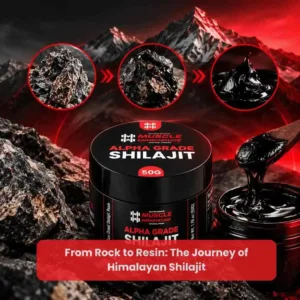
The Himalayan Shilajit Journey begins in mountainous regions where natural organic materials, rocky environments and changing weather conditions contribute to the setting in which Shilajit... Continue reading