

No products in the cart.
Return To Shop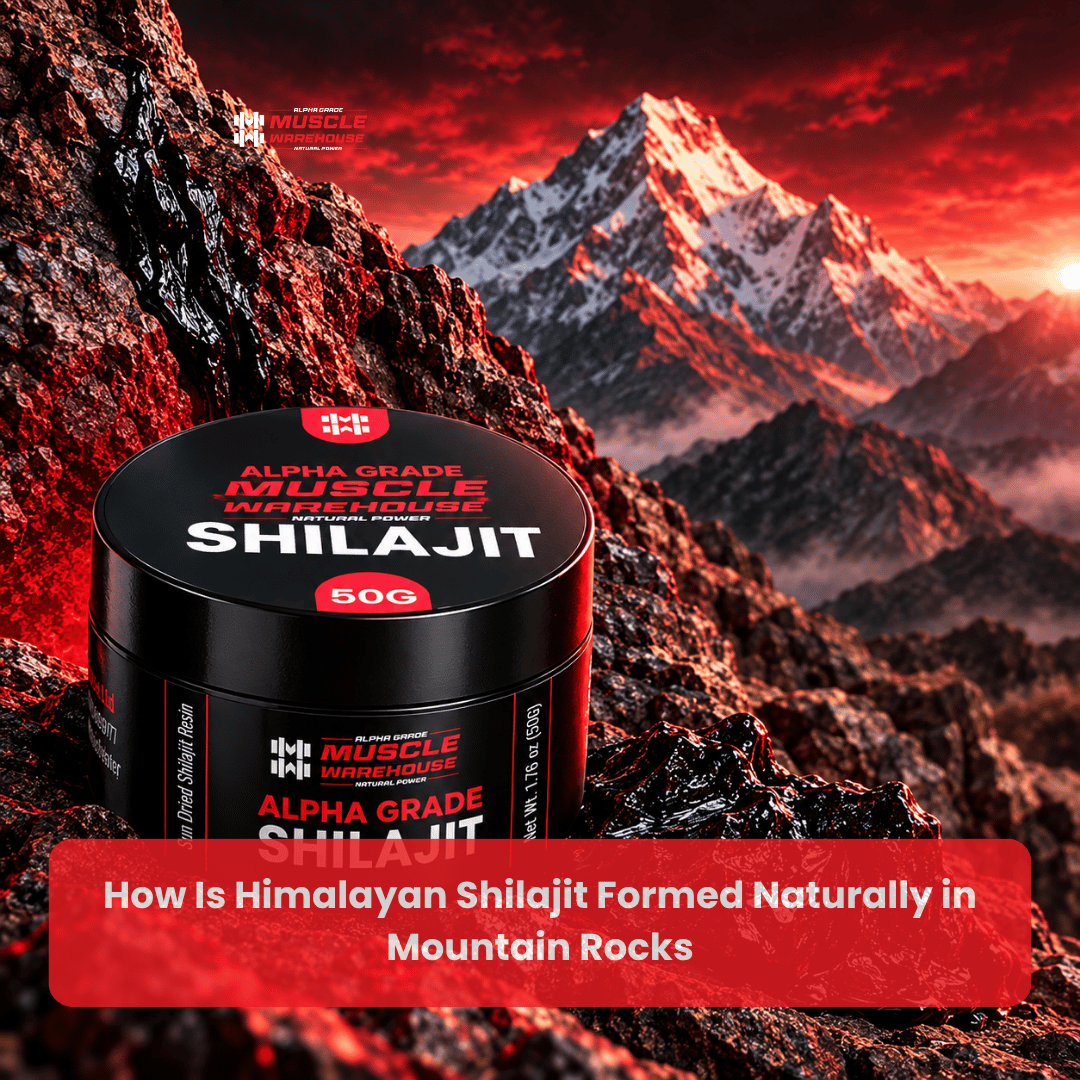
How Is Himalayan Shilajit Formed in Mountain Rocks?
How Is Himalayan Shilajit Formed in Mountain Rocks is a common question for people who want to understand the natural origins of this traditional substance. Himalayan Shilajit is associated with mountainous regions where geological formations, organic material and changing environmental conditions have interacted over long periods.
Understanding How Is Himalayan Shilajit Formed in Mountain Rocks also helps explain why its natural source, collection and processing are important considerations when comparing finished Shilajit products in the UK.
How Is Himalayan Shilajit Formed in Mountain Rocks Naturally?
The answer to How Is Himalayan Shilajit Formed in Mountain Rocks involves several natural factors. Mountain environments contain rocks, vegetation, water and organic material that are exposed to changing temperatures and weather conditions.
Over extended periods, organic material can become part of the surrounding geological environment. Natural environmental processes then contribute to the development of the dark, resin-like material associated with Shilajit.
The precise formation process can vary between geographical areas because mountain environments are not identical. This makes the source region an important part of the natural history of Himalayan Shilajit.
The Role of Mountain Rocks in Shilajit Formation
To understand How Is Himalayan Shilajit Formed in Mountain Rocks, it is useful to consider the surrounding geological environment.
Mountain rocks provide the setting where naturally occurring Shilajit can accumulate. The material may be found around cracks, crevices and layers within rock formations.
Different mountain regions have different geological characteristics. Therefore, the surrounding rocks and environmental conditions can contribute to variations in naturally occurring Shilajit.
The rocks themselves are not simply turned into Shilajit. Instead, the geological environment provides a setting where organic and natural materials can undergo long-term changes.
Organic Material and Himalayan Shilajit
Organic material is another important part of understanding How Is Himalayan Shilajit Formed in Mountain Rocks.
Mountain environments can contain vegetation and other naturally occurring organic matter. Over long periods, some of this material can become incorporated into the surrounding environment.
Natural changes to organic material take place gradually. Combined with the surrounding geological conditions, these processes contribute to the complex material associated with Shilajit.
This natural development is one reason Shilajit is often discussed in connection with mountainous environments and long-term geological processes.
Why Time Matters in Shilajit Formation
Time is essential when discussing How Is Himalayan Shilajit Formed in Mountain Rocks. Natural geological processes do not happen instantly.
Organic material and its surrounding environment can undergo gradual changes over extended periods. Temperature, moisture, weathering and other environmental conditions can influence these changes.
Consequently, the formation of naturally occurring Shilajit is best understood as a long-term natural process rather than a simple manufacturing step.
How Temperature Affects Shilajit in Mountain Environments
Temperature is another environmental factor worth considering when learning How Is Himalayan Shilajit Formed in Mountain Rocks.
Mountain regions can experience significant temperature changes between seasons and even between daytime and nighttime. Snow, sunlight, rainfall and changing temperatures can all affect the surrounding environment.
Temperature can also influence the physical consistency of naturally occurring Shilajit. The resin-like material may become firmer in colder conditions and softer when temperatures increase.
However, texture should not be used on its own to judge the quality of a finished Shilajit product.
How Is Himalayan Shilajit Collected From Mountain Areas?
After naturally occurring Shilajit is located, it can be collected from suitable areas within mountainous rock formations.
Collection is only one stage of the journey. Raw material found in a mountain environment is not the same as the finished Shilajit product sold to consumers.
The collected material needs to undergo appropriate preparation and processing before it can be packaged for consumer use. The exact methods can vary depending on the supplier and source.
Therefore, when researching How Is Himalayan Shilajit Formed in Mountain Rocks, it is useful to separate natural formation from later collection and processing.
From Natural Shilajit to Finished Resin
Once collected, Shilajit can be processed and purified before being supplied as a finished product. This stage is important because naturally collected material may contain unwanted substances from its surrounding environment.
The finished resin is therefore different from the raw material found within mountain formations.
When considering How Is Himalayan Shilajit Formed in Mountain Rocks, remember that natural formation explains where the material originates, while processing explains how it is prepared for consumers.
Clear information about processing can help buyers understand the journey from mountain source to finished product.
Can Himalayan Shilajit Vary Between Sources?
Naturally occurring materials can vary depending on their geographical and environmental conditions. Differences in geology, vegetation, climate and surrounding materials can contribute to variations.
As a result, Shilajit from different sources may not look or feel exactly the same.
This is why buyers should not judge Himalayan Shilajit solely by colour, texture or appearance. Instead, source information, ingredients, processing and available laboratory testing can provide additional information.
Why Source Information Matters for UK Buyers
Learning How Is Himalayan Shilajit Formed in Mountain Rocks gives buyers useful background, but source information should also be considered when purchasing a finished product.
A transparent supplier should provide understandable information about the product’s origin. However, a geographical description alone does not establish the quality of the finished product.
UK buyers can also check:
- Source information
- Ingredients
- Processing or purification details
- Laboratory testing where available
- Product quantity
- Serving instructions
- Storage guidance
- Supplier information
Considering several factors provides a more complete way to compare Shilajit products.
Different Himalayan Shilajit Formats
After processing, Shilajit can be supplied in different formats. The most common options include resin, capsules and drops.
Shilajit Resin
Resin has a thick consistency and is closely associated with the traditional form of Shilajit. Its texture can respond to changes in temperature.
Shilajit Capsules
Capsules provide a convenient format with a measured amount of product. They may suit people who prefer capsules as part of their routine.
Shilajit Drops
Drops provide a liquid format and offer another option for customers who prefer liquid products.
Muscle Warehouse offers Shilajit resin, capsules and drops, allowing UK customers to compare different formats and review their individual product information.
What Should You Check Before Buying?
Understanding How Is Himalayan Shilajit Formed in Mountain Rocks is useful, but buyers should also assess the finished product carefully.
Before purchasing, review the available information and look for clear details about the product. Check the source, ingredients, processing, testing and recommended serving.
Also, review storage instructions and supplier information. These details can help you understand what you are purchasing rather than relying only on marketing language.
Natural Origin Does Not Tell the Whole Story
The natural formation of Himalayan Shilajit is an important part of its background. However, natural origin alone should not be treated as proof of the quality of a finished product.
When considering How Is Himalayan Shilajit Formed in Mountain Rocks, it is helpful to understand the complete journey: natural development, collection, processing, testing and packaging.
This broader approach gives buyers more useful information when comparing different Shilajit products.
Understanding the Journey of Himalayan Shilajit
The question How Is Himalayan Shilajit Formed in Mountain Rocks connects the natural environment with the finished product available to consumers.
Mountain geology, organic material, environmental conditions and time all contribute to the natural setting in which Shilajit develops. After collection, further processing is required before it becomes a consumer product.
For UK buyers, understanding this journey can make product research more meaningful and can help them focus on practical information rather than appearance alone.
Conclusion
How Is Himalayan Shilajit Formed in Mountain Rocks can be understood through the interaction of mountain geology, organic material, environmental conditions and long periods of natural change. The material associated with Shilajit develops within mountainous environments before collection and further processing.
Understanding How Is Himalayan Shilajit Formed in Mountain Rocks is only one part of choosing a product. UK buyers should also consider source, ingredients, processing, laboratory testing, serving information and supplier transparency when comparing Pure Himalayan Shilajit.
Looking for Pure Shilajit in the UK? Explore Muscle Warehouse’s Shilajit resin, capsules and drops and review the available product information before choosing a format that suits your routine.
Related posts

What is the best way to consume shilajit? The answer depends on the product you choose, its quality, your personal preferences and the manufacturer’s instructions.... Continue reading

Dibenzo-Alpha-Pyrones in Shilajit are a group of organic compounds discussed in scientific research into the chemical composition of this natural material. Researchers study these compounds... Continue reading

Shilajit Composition can differ between natural samples because geological conditions, organic materials, geographical origins and environmental factors vary across mountain regions. Although Shilajit often appears... Continue reading
The history of Shilajit research spans centuries, from traditional medical records to modern scientific investigations into its chemical composition, geological origins and potential biological effects.... Continue reading

The Chemical Composition of Shilajit is an important area of scientific research because Shilajit contains a complex mixture of naturally occurring organic substances and mineral... Continue reading