

No products in the cart.
Return To Shop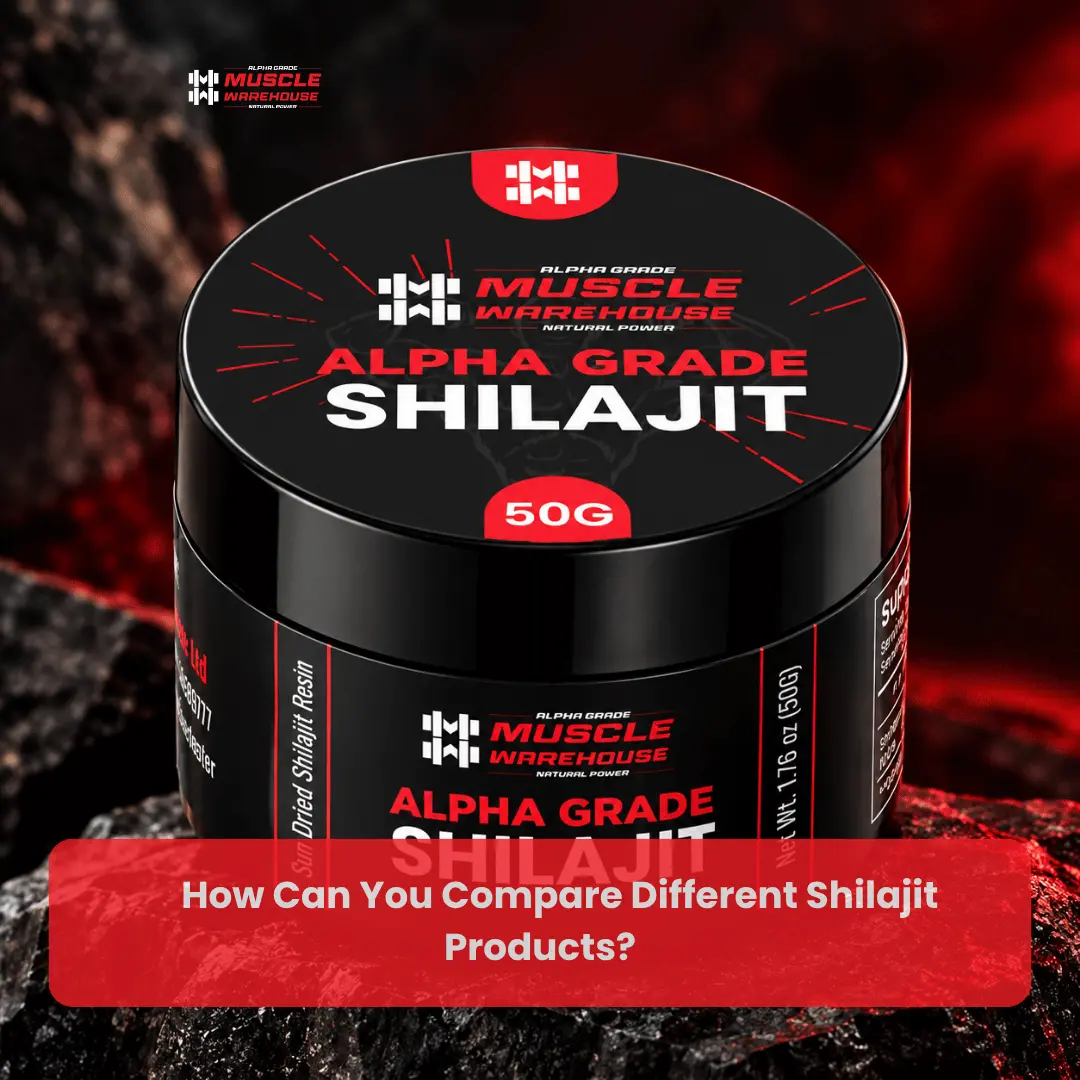
How Can You Compare Different Shilajit Products?
Choosing a Himalayan Shilajit product can be confusing when different brands offer resin, capsules, drops and other formats. Compare Different Shilajit Products by looking beyond the product name and checking important details such as the source, ingredients, purification process, laboratory testing, format, serving instructions and packaging.
Himalayan Shilajit is a naturally occurring substance associated with mountainous regions. However, finished products can differ in their sourcing, processing and presentation. Therefore, UK buyers should consider several factors before deciding which product fits their preferences.
Compare Different Shilajit Products by Source
The first step when you Compare Different Shilajit Products is to check where the Shilajit comes from.
A transparent product description should provide useful information about the geographical source of the raw material. Himalayan Shilajit is associated with mountain regions, but the term alone does not provide every detail about a particular product.
Look for clear sourcing information rather than relying only on general statements such as “premium” or “pure”. If a supplier provides additional information about its sourcing and processing methods, this can help you understand the product more clearly.
Check the Form of Shilajit
Shilajit is available in several forms. The most common options include resin, capsules and drops.
Shilajit Resin
Resin is a concentrated, sticky form of Shilajit. It is often selected by consumers who prefer a traditional format and are comfortable measuring the recommended amount according to the product instructions.
Shilajit Capsules
Capsules offer a convenient option for people who prefer a pre-measured format. They can also be easier to carry when travelling or using supplements as part of a regular routine.
Shilajit Drops
Drops provide another convenient format. They can be easier for consumers who prefer a liquid product and want a simple way to follow the manufacturer’s serving instructions.
When you Compare Different Shilajit Products, the format should be considered alongside the ingredients, testing and serving information.
Compare Ingredients and Product Information
Another important step is checking the ingredient list.
Some Shilajit products contain only Shilajit, while others may include additional ingredients depending on their format. Capsules, for example, may contain materials used to create the capsule shell.
Read the full ingredient list and check the serving information before purchasing. Also, consider whether the product description clearly explains what is included in the package.
Clear information makes it easier to compare one product with another without relying on promotional wording.
Look at Purification Information
Raw Shilajit and a finished Shilajit supplement are not necessarily the same thing.
Raw material can contain naturally occurring impurities and unwanted physical material. Processing and purification are therefore important considerations when comparing products.
When you Compare Different Shilajit Products, check whether the supplier provides information about its purification process. You do not need to rely on complicated terminology. A straightforward explanation of how the raw material is prepared can be more useful than vague quality claims.
Check Laboratory Testing
Laboratory testing is another useful factor when comparing Shilajit products.
A test report can provide information about a particular batch, depending on what has been tested. For example, laboratory analysis may assess certain contaminants, minerals or other characteristics.
If a supplier provides a Certificate of Analysis (COA), check whether it relates to the product or batch being sold. Also, look at what the report actually tests instead of assuming that a general “lab-tested” statement covers every possible quality factor.
This approach can help UK buyers make a more informed comparison.
Compare Serving Information
Different Shilajit products can have different serving instructions.
Resin may require the consumer to measure a small amount, while capsules normally provide a fixed amount per capsule. Drops may use a specific number of drops according to the manufacturer’s instructions.
Do not compare products based only on the price of the container. Consider the stated serving size, quantity and instructions as well.
A larger container does not automatically mean better value if the recommended serving is also different.
Compare Packaging and Storage
Packaging can also provide useful information about a Shilajit product.
Check whether the container is sealed properly and whether the label provides the required product information. Storage instructions are also worth reading because the texture and consistency of resin can be affected by temperature.
Good product information should explain how the product should be stored and used.
When you Compare Different Shilajit Products, packaging should not be the only deciding factor, but it is part of the overall product assessment.
Do Not Judge Shilajit Only by Price
Price can vary considerably between Shilajit products. However, the cheapest product is not automatically the best value, and a higher price does not automatically prove higher quality.
Instead, compare:
- Product quantity
- Serving size
- Shilajit format
- Ingredient list
- Source information
- Purification details
- Laboratory testing
- Packaging
- Supplier information
This provides a more useful comparison than looking at the price alone.
Be Careful With Health Claims
When you Compare Different Shilajit Products, pay attention to the claims used in product descriptions.
Shilajit contains naturally occurring compounds that have been studied by researchers. However, evidence for specific health outcomes can vary, and a product containing a particular compound does not automatically prove that it will produce a specific result.
Avoid choosing a product simply because its marketing uses strong promises. Instead, focus on factual product information, responsible descriptions and available testing documentation.
Compare Different Shilajit Products by Supplier Transparency
Supplier transparency can make the comparison process much easier.
A reliable product page should provide information about the product’s ingredients, form, serving instructions and other relevant details. Additional information about sourcing, purification and testing can also help.
For UK buyers, it is useful to choose a supplier that clearly explains what it sells rather than relying on unclear or exaggerated claims.
Muscle Warehouse provides Shilajit in several formats, including resin, capsules and drops, allowing customers to compare formats according to their preferences.
A Simple Shilajit Comparison Checklist
Before buying, use this checklist:
Source: Is the origin clearly explained?
Form: Is it resin, capsules or drops?
Ingredients: Is the complete ingredient information available?
Purification: Does the supplier explain how the product is prepared?
Testing: Is relevant laboratory testing available?
Serving: Are clear serving instructions provided?
Quantity: How much product is included?
Packaging: Is the product properly labelled and sealed?
Claims: Are the product descriptions factual and responsible?
Supplier: Is useful business and product information available?
This checklist makes it easier to compare several products using the same criteria.
Conclusion
To Compare Different Pure Shilajit Products, look at the complete product rather than one feature or marketing claim. Source, format, ingredients, purification, laboratory testing, serving size, packaging and supplier transparency can all help you assess different options.
Resin, capsules and drops each offer a different way to use Shilajit, so your preferred format can also play a role in your decision.
Looking for Shilajit in the UK? Explore Muscle Warehouse for Shilajit resin, capsules and drops, and compare the available formats using the information provided for each product.
Related posts

Dibenzo-Alpha-Pyrones in Shilajit are a group of organic compounds discussed in scientific research into the chemical composition of this natural material. Researchers study these compounds... Continue reading

Shilajit Composition can differ between natural samples because geological conditions, organic materials, geographical origins and environmental factors vary across mountain regions. Although Shilajit often appears... Continue reading
The history of Shilajit research spans centuries, from traditional medical records to modern scientific investigations into its chemical composition, geological origins and potential biological effects.... Continue reading

The Chemical Composition of Shilajit is an important area of scientific research because Shilajit contains a complex mixture of naturally occurring organic substances and mineral... Continue reading
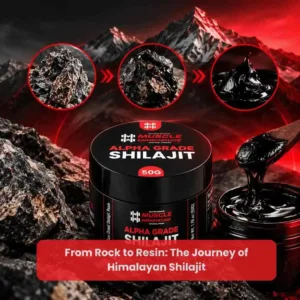
The Himalayan Shilajit Journey begins in mountainous regions where natural organic materials, rocky environments and changing weather conditions contribute to the setting in which Shilajit... Continue reading