

No products in the cart.
Return To Shop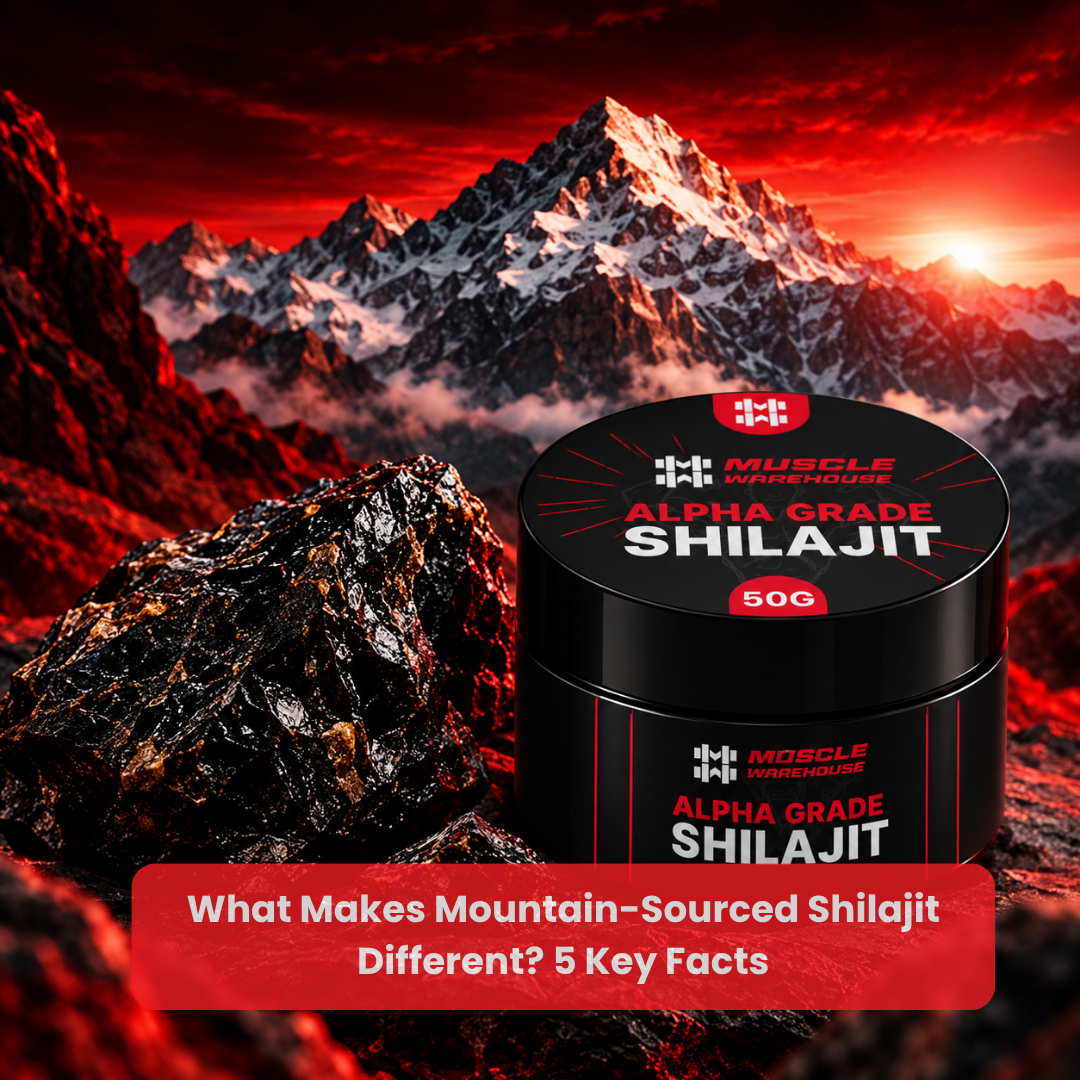
What Makes Mountain-Sourced Shilajit Different? 5 Key Facts
Mountain-Sourced Shilajit is a natural material associated with rocky environments, organic compounds and geological conditions found in mountainous regions. Unlike many conventional supplements, Shilajit originates from a complex natural setting where temperature, moisture, altitude and surrounding materials can vary significantly.
But what makes Mountain-Sourced Shilajit different from other natural supplements? Its origin, composition, physical characteristics and processing requirements all contribute to its distinctive identity.
However, mountain origin alone does not guarantee purity or quality. UK buyers should also examine sourcing information, purification methods, ingredients and laboratory testing before choosing a product.
Understanding these differences can help consumers compare Himalayan Shilajit, resin, capsules and drops with greater confidence.
What Makes Mountain-Sourced Shilajit Different?
The main difference lies in its natural origin and complex composition. Mountain environments contain varying geological formations, organic material and environmental conditions that contribute to the setting in which Shilajit occurs.
Unlike supplements made from a single isolated ingredient, Shilajit contains a mixture of naturally occurring organic and inorganic components. These may include humic substances, fulvic compounds and mineral constituents.
However, the exact composition varies depending on the source and processing method.
Additionally, Mountain-Sourced Shilajit often has distinctive physical characteristics, including a dark colour, earthy aroma and resin-like consistency.
These characteristics help describe the material, but they cannot independently establish authenticity.
How Mountain-Sourced Shilajit Develops Naturally
Mountain-Sourced Shilajit is associated with natural processes involving organic material and geological environments over extended periods.
Researchers have described Shilajit as a complex substance linked to the transformation of organic matter in mountainous settings. Nevertheless, its precise formation mechanisms remain incompletely understood and may differ between regions.
Environmental factors such as temperature fluctuations, moisture and rock characteristics form part of this wider natural setting.
Consequently, Shilajit from different mountain areas may not have identical chemical or physical characteristics.
For buyers, this variation makes clear sourcing information particularly important.
Why Mountain Environments Matter
Mountain regions experience environmental conditions that differ from those found in lower-altitude areas.
For example, mountainous landscapes often contain exposed rock surfaces, changing temperatures and seasonal precipitation. These conditions influence the surrounding environment and the movement of moisture through rocky terrain.
Furthermore, different geological formations contain different mineral and organic materials.
Although these environmental differences help explain variation between sources, no single mountain characteristic proves that a Shilajit product is superior.
Therefore, consumers should assess the finished supplement rather than relying entirely on descriptions of its natural surroundings.
How Altitude and Climate Affect Mountain-Sourced Shilajit
Altitude and climate contribute to the environmental conditions associated with Mountain-Sourced Shilajit.
High-altitude areas can experience significant temperature changes, seasonal snowfall and periods of intense sunlight. Meanwhile, rainfall and snowmelt can influence moisture levels and access to mountain terrain.
These factors may affect the physical conditions in which Shilajit-associated material occurs.
Temperature also influences finished Shilajit resin. In warmer conditions, resin may become softer and stickier. Conversely, cooler temperatures can make it firmer.
However, these changes in consistency do not automatically indicate differences in purity or quality.
For UK consumers, following the manufacturer’s storage instructions remains important throughout the year.
The Natural Composition of Mountain-Sourced Shilajit
One distinctive feature of Mountain-Sourced Shilajit is its complex mixture of naturally occurring substances.
Its composition may include fulvic substances, humic compounds, mineral constituents and other organic materials.
Fulvic Compounds
Fulvic substances form part of the organic fraction commonly associated with Shilajit.
However, their concentration can vary between samples. Therefore, consumers should avoid assuming that every product contains identical amounts.
Mineral Constituents
Shilajit may contain various mineral elements associated with its natural source.
Nevertheless, mineral composition can differ depending on geological conditions, source material and processing.
Other Organic Components
Shilajit can also contain additional organic compounds. Researchers continue to investigate its chemical composition and variation between samples.
Importantly, the presence of particular compounds does not automatically establish a specific health benefit.
Buyers should review available product information rather than relying on broad claims about natural composition.
Why Colour, Texture and Aroma Can Vary
Mountain-Sourced Shilajit can vary in appearance because natural materials do not always have identical physical characteristics.
Colour
Shilajit commonly appears dark brown or black. However, colour can vary with composition, processing and product conditions.
A darker appearance does not automatically indicate greater purity.
Texture
Finished Shilajit resin often has a thick, sticky consistency. Temperature can influence how firm or soft the resin feels.
Consequently, changes in texture may reflect storage conditions rather than product deterioration.
Aroma
Shilajit resin may have an earthy, mineral-like or slightly smoky aroma.
Nevertheless, aroma alone cannot confirm authenticity. Different sources and processing methods can produce different sensory characteristics.
For this reason, UK buyers should avoid using colour, texture or smell as standalone quality tests.
How Collection and Purification Affect Shilajit Quality
Collection and purification play important roles in preparing Mountain-Sourced Shilajit for use as a finished supplement.
Raw material collected from mountainous environments may contain soil particles, rock fragments and other unwanted substances.
Therefore, appropriate processing helps separate the desired material from unwanted components.
Suppliers may use different purification methods depending on their production processes.
However, purification does not automatically guarantee that a finished product meets every quality requirement.
Laboratory testing provides additional information about selected characteristics and contaminants.
For example, relevant testing may examine heavy metals such as lead, arsenic, mercury or cadmium.
Buyers should review the available Certificate of Analysis where provided and check which substances the laboratory actually tested.
Is Mountain-Sourced Shilajit Always Better?
Not necessarily.
Although Mountain-Sourced Shilajit has a distinctive natural origin, its quality depends on more than geographical location.
A product described as Himalayan, high-altitude or mountain-collected is not automatically purer than another product.
Instead, consumers should consider the source, ingredients, processing information and available laboratory results.
Additionally, transparent product descriptions can help buyers understand what they are purchasing.
Claims about extreme altitude or rare collection locations should not replace evidence about the finished product.
Therefore, source information and quality assessment should work together when comparing Shilajit supplements.
How UK Buyers Can Compare Mountain-Sourced Shilajit
When purchasing Shilajit in the UK, buyers should examine several practical factors.
- Source transparency
Check whether the supplier provides useful information about the product’s geographical origin.
- Ingredient information
Read the complete ingredient list and identify any additional components.
- Purification methods
Review available information about how the supplier prepares the raw material.
- Laboratory testing
Look for relevant testing documentation and check whether the results relate to the product being sold.
- Product format
Compare resin, capsules and drops according to convenience, ingredients and serving instructions.
- Packaging and storage
Check the packaging condition, storage guidance and manufacturer’s recommendations.
- Supplier information
Choose sellers who provide clear product descriptions, contact information and purchasing guidance.
Together, these checks offer a more useful assessment than appearance or mountain-origin claims alone.
Choosing Mountain-Sourced Shilajit From Muscle Warehouse
UK consumers can compare different Shilajit formats according to their preferences and daily routines.
Muscle Warehouse, based in Rochdale, Greater Manchester, offers Himalayan Shilajit products in resin, capsule and drop formats.
Shilajit resin may appeal to customers who prefer a traditional, sticky format. Meanwhile, capsules offer convenient portioning without handling resin directly.
Drops provide another liquid option for customers who prefer that format.
However, buyers should compare the ingredients, serving guidance and available product information before making a decision.
Muscle Warehouse also provides laboratory-testing information for its Shilajit products. Customers should review the relevant documentation and product details when assessing their options.
Whether shopping locally in Rochdale or ordering online in the UK, consumers can use these details to compare the available formats.
Frequently Asked Questions
1. What Makes Mountain-Sourced Shilajit Different?
Mountain-Sourced Shilajit is associated with mountainous geological environments and contains a complex mixture of naturally occurring organic and mineral components. Its composition can vary depending on the source and processing method.
2. Is Himalayan Shilajit Better Than Other Shilajit?
Not necessarily. Mountain origin alone does not guarantee purity or quality. Buyers should compare sourcing details, purification methods, ingredients and available laboratory-testing results.
3. Why Does Mountain-Sourced Shilajit Have a Dark Colour?
Shilajit commonly appears dark brown or black due to its complex composition. However, colour alone cannot confirm authenticity or purity, as appearance may vary between sources and products.
4. How Can I Check the Quality of Mountain-Sourced Shilajit?
Check the supplier’s sourcing information, ingredient list, purification details and available Certificate of Analysis (COA). Review laboratory results to understand which contaminants and substances were tested.
5. Where Can I Buy Mountain-Sourced Shilajit in the UK?
UK buyers can explore Shilajit resin, capsules and drops from Muscle Warehouse, based in Rochdale, Greater Manchester. Review the available product information and laboratory-testing documentation before choosing a format.
Conclusion
Mountain-Sourced Shilajit differs from many conventional supplements because of its natural geological setting, complex composition and distinctive physical characteristics.
Altitude, climate, source variation and processing can all influence the material and its finished form.
However, mountain origin alone cannot confirm purity, authenticity or quality. UK buyers should also consider ingredients, purification, laboratory testing and supplier transparency.
Looking for Pure Himalayan Shilajit in the UK? Shop Muscle Warehouse’s Shilajit resin, capsules and drops, and compare the available product information to choose the format that suits your routine.

Related posts

Dibenzo-Alpha-Pyrones in Shilajit are a group of organic compounds discussed in scientific research into the chemical composition of this natural material. Researchers study these compounds... Continue reading

Shilajit Composition can differ between natural samples because geological conditions, organic materials, geographical origins and environmental factors vary across mountain regions. Although Shilajit often appears... Continue reading
The history of Shilajit research spans centuries, from traditional medical records to modern scientific investigations into its chemical composition, geological origins and potential biological effects.... Continue reading

The Chemical Composition of Shilajit is an important area of scientific research because Shilajit contains a complex mixture of naturally occurring organic substances and mineral... Continue reading
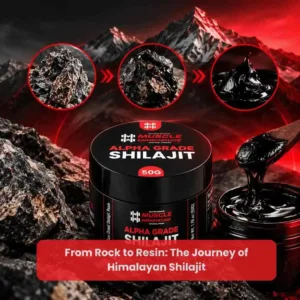
The Himalayan Shilajit Journey begins in mountainous regions where natural organic materials, rocky environments and changing weather conditions contribute to the setting in which Shilajit... Continue reading