

No products in the cart.
Return To Shop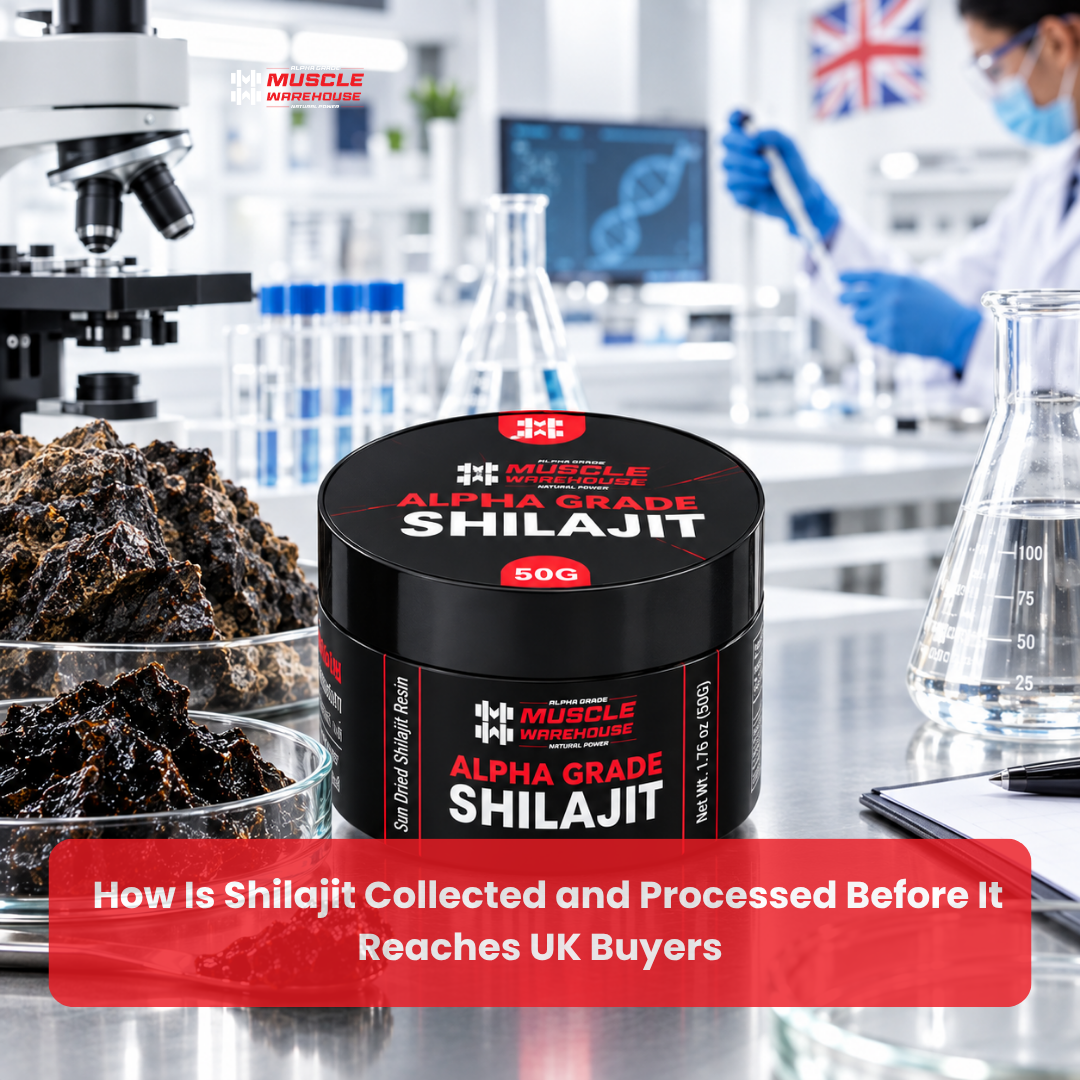
How Is Shilajit Collected and Processed Before It Reaches UK Buyers
How Is Shilajit Collected and Processed is an important question for UK buyers who want to understand what happens before this traditional substance reaches the market. Himalayan Shilajit is naturally found in mountainous areas and is available in products such as resin, capsules and drops.
The material does not simply move from a mountain environment directly into consumer packaging. Collection, cleaning, preparation, purification, testing and packaging can all form part of the journey. Understanding these stages can help buyers assess product information more carefully.
How Is Shilajit Collected and Processed?
Shilajit is naturally associated with rocky mountainous environments. Traditional collection involves gathering material from areas where it has accumulated over time.
The exact collection method can vary depending on the geographical location, local practices and supplier. Therefore, there is not one universal collection method that applies to every product.
Raw material can contain naturally occurring debris and other unwanted material. As a result, further preparation is required before it becomes a finished supplement.
Where Is Shilajit Found?
Shilajit is traditionally associated with mountain regions, including parts of the Himalayan range. Its natural environment can influence the composition of the collected material.
Scientific research has identified a complex mixture of organic and mineral components in Shilajit, although composition can vary according to geographical and environmental factors.
For UK consumers, a clear statement about the stated source can therefore be useful when comparing different products.
How Is Shilajit Prepared After Collection?
Once collected, the raw material requires preparation before it can be used in a finished supplement. Visible foreign material may need to be removed through physical cleaning, filtration or other processing methods.
The aim is to prepare the material for further purification while producing a more consistent product.
However, processing methods can differ between suppliers. Buyers should therefore look for information about the actual product rather than assuming that every supplier follows exactly the same procedure.
How Is Shilajit Purified?
Purification is an important part of preparing naturally collected material. Depending on the supplier, processing may involve dissolving, filtering and concentrating the material.
These steps can help remove unwanted particles before the prepared material is turned into a finished product.
A purification claim should not be considered in isolation. Instead, buyers can review it alongside laboratory testing, ingredient information and the product’s stated source.
How Is Shilajit Tested?
Laboratory testing can provide useful information about a finished Shilajit product. Depending on the test, analysis may cover particular contaminants, heavy metals or other characteristics of the sample.
Because naturally sourced materials can vary, testing can provide additional information beyond a general description such as “pure” or “premium”.
If a seller provides a laboratory report or certificate of analysis, check what was tested and whether the document relates to the relevant product or batch.
From Processed Material to Shilajit Resin
After processing, Shilajit can be prepared as a thick resin. This format is commonly associated with traditional use.
The finished resin should have clear information about its recommended serving, ingredients, storage conditions and quantity.
Appearance alone is not enough to assess a product. Instead, consider the available product information and supporting documentation.
Shilajit Capsules and Drops
Processed Shilajit can also be supplied in other formats.
Shilajit Capsules
Capsules provide a measured format and may suit consumers who prefer a simple supplement routine. The label should state the amount per serving and provide a complete ingredient list.
Shilajit Drops
Liquid drops offer another format for consumers. Buyers should check the recommended serving, ingredients and storage instructions before use.
Different formats can involve different preparation steps, so it is useful to assess the finished product according to its own label and documentation.
What Should UK Buyers Check?
Understanding How Is Shilajit Collected and Processed can help consumers ask more useful questions when comparing products.
Before purchasing, check:
- Stated geographical source
- Product ingredients
- Processing information
- Purification details
- Laboratory testing
- Serving instructions
- Storage guidance
- Batch information where available
- Best-before or expiry date
- Seller or manufacturer details
The Food Standards Agency advises consumers to follow supplement instructions and purchase products from reputable businesses. Clear labelling is therefore an important part of the buying process.
How Is Shilajit Collected and Processed for UK Retail?
Products intended for UK consumers need suitable packaging and product information before they are placed on the market.
UK food supplements are regulated as food, and businesses have responsibilities under food law. The information supplied with a product should help consumers understand what they are purchasing and how it should be used.
For this reason, buyers should pay attention to the final packaged product rather than focusing only on where the raw material was collected.
Why Does Processing Information Matter?
Natural origin is only one part of the story. The material collected from a mountainous environment can contain various naturally occurring substances and foreign particles.
Processing and purification can therefore be important stages between collection and the finished product.
At the same time, buyers should avoid assuming that a particular processing claim automatically proves superior quality. Supporting information, testing and clear labelling provide a better basis for comparison.
How Is Shilajit Collected and Processed by Different Suppliers?
There can be differences between suppliers in collection practices, purification methods, testing procedures and final product formats.
One supplier may focus on resin, while another may offer capsules or drops. Likewise, the available testing documentation can vary.
This means UK buyers should compare products individually rather than assuming that all Shilajit products follow the same supply chain.
Choosing Shilajit as a UK Buyer
When choosing a product, start with information that can be checked. Look at the stated source, ingredients, serving details and available testing documentation.
Also, consider whether the seller provides clear contact and product information. A transparent product description makes it easier to understand what you are purchasing.
If you are comparing resin, capsules and drops, review each format separately because the quantity, serving and ingredient information may differ.
Conclusion
How Is Shilajit Collected and Processed involves several stages, including the collection and purification of Pure Shilajit, followed by testing and packaging. Methods can vary by source and supplier.
UK buyers should check the source, ingredients, testing and product information before purchasing.
Looking for Pure Shilajit in the UK? Explore Muscle Warehouse’s resin, capsules and drops to find a format that suits your routine.
Related posts

Dibenzo-Alpha-Pyrones in Shilajit are a group of organic compounds discussed in scientific research into the chemical composition of this natural material. Researchers study these compounds... Continue reading

Shilajit Composition can differ between natural samples because geological conditions, organic materials, geographical origins and environmental factors vary across mountain regions. Although Shilajit often appears... Continue reading
The history of Shilajit research spans centuries, from traditional medical records to modern scientific investigations into its chemical composition, geological origins and potential biological effects.... Continue reading

The Chemical Composition of Shilajit is an important area of scientific research because Shilajit contains a complex mixture of naturally occurring organic substances and mineral... Continue reading
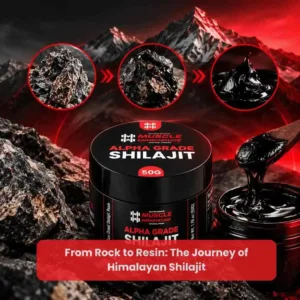
The Himalayan Shilajit Journey begins in mountainous regions where natural organic materials, rocky environments and changing weather conditions contribute to the setting in which Shilajit... Continue reading