

No products in the cart.
Return To Shop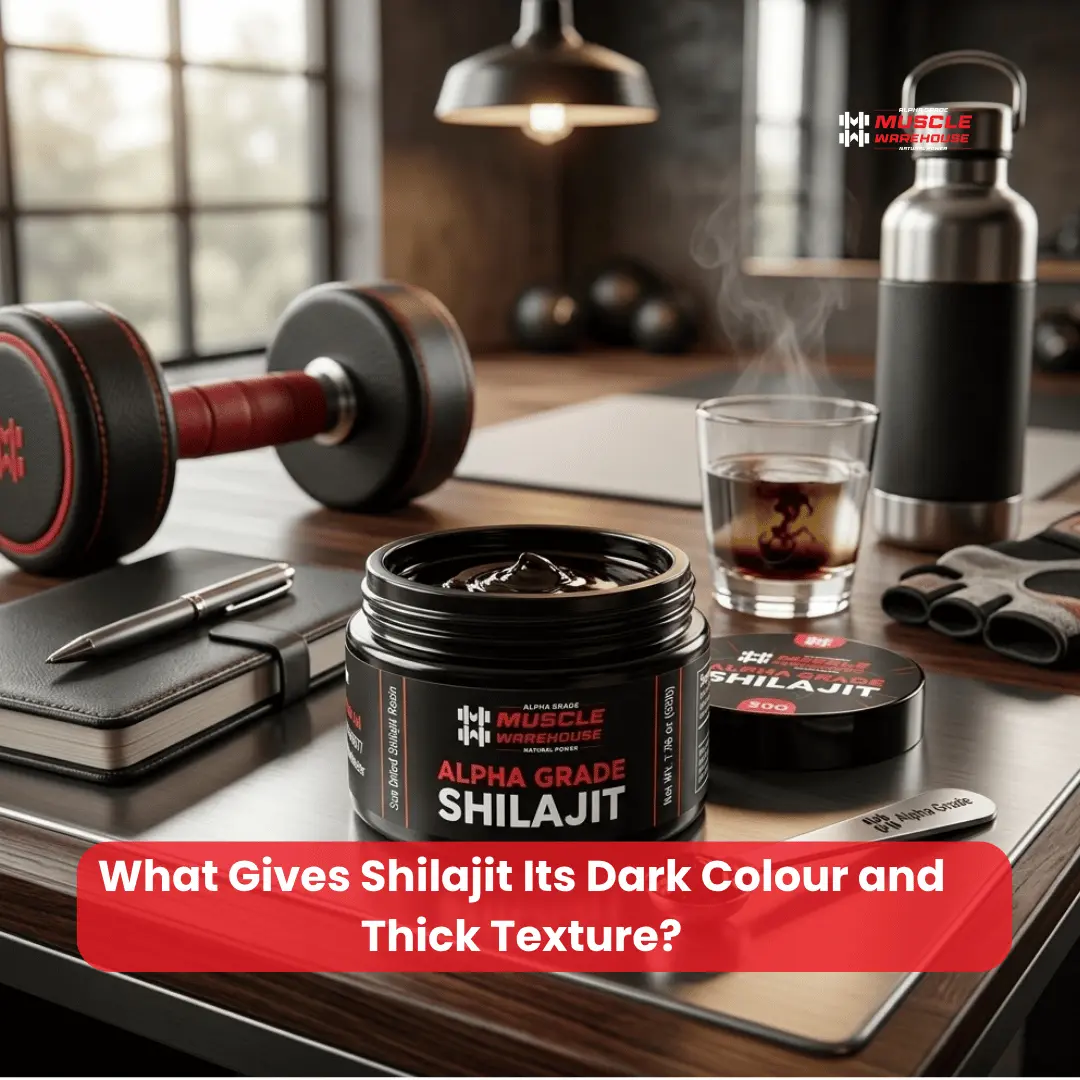
What Gives Shilajit Its Dark Colour and Thick Texture?
Shilajit colour and texture are two of the first things people notice when buying shilajit resin. Genuine shilajit often has a dark brown to almost black appearance and a thick, sticky texture. However, these features do not come from one single ingredient. Instead, natural organic compounds, minerals, plant material, moisture and processing all contribute to how shilajit looks and feels.
Why Is Shilajit Naturally Dark in Colour?
Shilajit develops its dark colour through its natural composition and long formation process. It contains organic matter, humic substances, fulvic compounds and minerals that can give the resin a dark brown, deep brown or nearly black appearance.
However, not every batch looks exactly the same. Source material, mineral content, purification and storage conditions can affect the final shade. Therefore, a darker colour does not automatically mean higher quality.
What Gives Shilajit Its Black or Dark Brown Colour?
Several natural components can contribute to shilajit colour. Organic compounds and humic substances are important factors, while minerals can also affect its appearance.
Moreover, the material develops over a long period under natural environmental conditions. As a result, different sources can produce slightly different colours.
Does Darker Shilajit Mean Better Quality?
Not necessarily. Shilajit Colour can provide a useful visual clue, but it cannot confirm purity or authenticity on its own.
For example, a very dark product may still contain unwanted materials. Therefore, buyers should also check the source, ingredients, purification details and laboratory testing.
What Makes Shilajit Resin Thick and Sticky?
The thick texture of shilajit colour comes from its concentrated natural composition. Unlike a dry powder, resin contains a dense mixture of organic substances and minerals, which gives it a sticky and resin-like consistency.
Consequently, pure shilajit resin may feel dense when handled. Its texture can also change depending on temperature and storage conditions.
Why Does Genuine Shilajit Feel Like Resin?
Shilajit naturally contains resinous organic material. During processing, suitable material is purified and prepared into a concentrated resin form.
As a result, consumer-ready shilajit resin can feel soft, sticky or dense rather than completely dry. Still, texture alone cannot prove that a product is genuine.
Should Pure Shilajit Resin Be Sticky?
Generally, shilajit resin has a sticky or thick consistency. However, the exact texture can vary between products.
For this reason, buyers should not expect every Himalayan shilajit product to have exactly the same consistency. Temperature, moisture and processing can all make a difference.
How Does Temperature Change Shilajit Texture?
Temperature has a noticeable effect on shilajit resin consistency. In warmer conditions, the resin can become softer and easier to handle. In cooler conditions, it can become firmer or harder.
Therefore, a change in texture does not automatically indicate a problem with the product.
Why Does Shilajit Become Hard in Cold Weather?
Lower temperatures can make the resin firmer. This is a normal physical change that can occur with temperature-sensitive resin products.
Instead of judging quality by hardness alone, buyers should check the product information and follow the recommended storage instructions.
Why Does Shilajit Become Soft in Warm Weather?
Heat can make shilajit resin softer and more flexible. In some cases, it may become easier to scoop or measure.
However, excessive heat should still be avoided. Always follow the storage guidance supplied by the manufacturer.
What Natural Compounds Give Shilajit Its Appearance?
Shilajit contains several naturally occurring components that contribute to its colour, texture and overall composition. These include organic matter, minerals, humic substances and fulvic compounds.
Because the exact composition can vary by source, shilajit products can also differ in appearance.
What Is Fulvic Acid in Shilajit?
Fulvic acid is one of the naturally occurring organic components associated with shilajit. It is commonly discussed when people compare shilajit products.
However, a higher stated fulvic acid percentage should not be treated as the only measure of product quality. Buyers should consider the full product information and testing details.
Do Minerals Affect Shilajit Colour and Texture?
Yes, mineral content can contribute to the natural appearance and composition of shilajit. Since mineral profiles can differ between sources, colour and texture may also vary.
Therefore, natural variation between batches does not automatically mean that one product is fake.
How Is Shilajit Formed Naturally?
Shilajit forms naturally over long periods in mountainous environments. It contains material associated with the gradual breakdown and concentration of organic matter, along with minerals from the surrounding environment.
Himalayan shilajit is particularly associated with mountain regions where these natural conditions occur. However, origin alone does not prove authenticity.
How Does Shilajit Purification Affect Colour and Texture?
Raw shilajit can contain unwanted physical material and does not necessarily have the same appearance as purified shilajit resin.
During purification, manufacturers process the material to prepare it for consumer use. This can affect its colour, texture and consistency.
Therefore, buyers should look for clear information about how the product has been prepared rather than assuming that raw material is automatically better.
Can Shilajit Colour and Texture Prove Authenticity?
Shilajit colour and texture can help buyers understand what they are purchasing, but neither feature can prove authenticity.
For example, a dark, sticky product may look like traditional shilajit while still lacking proper testing or clear sourcing information. Therefore, laboratory testing and transparent product details provide stronger evidence.
Can You Identify Genuine Shilajit by Colour?
There is no single colour that proves a product is genuine. Natural shilajit can range from dark brown to almost black.
Consequently, buyers should avoid choosing a product simply because it looks darker than another one.
Can Texture Confirm Pure Shilajit Resin?
A thick, resin-like texture is common in shilajit resin. Nevertheless, texture alone cannot confirm purity.
Instead, check the source, ingredients, purification details and available laboratory testing before buying.
What Should You Check Before Buying Shilajit Resin?
Before purchasing, check several important details. First, look for clear information about the product source. Next, check the ingredients and form of shilajit.
Also, look for purification information and relevant laboratory testing. A Certificate of Analysis (COA) may provide analytical information about a tested sample.
Why Does Shilajit Lab Testing Matter?
Laboratory testing can provide information that shilajit colour and texture cannot. Relevant testing may include checks for heavy metals such as lead, arsenic and mercury.
Therefore, UK buyers should consider testing information alongside sourcing and product details.
What Should a Shilajit Certificate of Analysis Show?
A COA should provide relevant analytical results for the tested sample. Depending on the testing scope, it may include information about specific safety or composition parameters.
However, buyers should check whether the report relates clearly to the product or batch they are purchasing.
Why Can Shilajit Look Different Between Brands?
Shilajit colour can look different because brands may use material from different sources and apply different processing methods. In addition, temperature, moisture and storage can affect the final product.
As a result, shilajit colour and consistency can vary without automatically indicating that one product is genuine and another is not.
How Should You Store Shilajit Resin?
Keep shilajit resin sealed and store it according to the manufacturer’s instructions. Avoid unnecessary heat and moisture exposure.
Furthermore, remember that normal temperature changes can affect consistency. A firmer texture in cool conditions or a softer texture in warm conditions does not necessarily mean the product has changed in quality.
Common Myths About Shilajit Colour and Texture
Several simple claims can mislead buyers:
- The blackest shilajit colour is always the best
- Very sticky shilajit is automatically genuine
- Hard shilajit is fake
- Every genuine product must look identical
- Colour alone proves purity
In reality, quality requires a wider assessment. Source, preparation, testing and product transparency all matter.
Shilajit Colour and Texture: A Simple Quality Checklist
Before buying shilajit resin, check:
- Natural dark appearance
- Resin-like consistency
- Clear ingredient information
- Stated source
- Purification information
- Relevant laboratory testing
- Heavy metal testing
- Transparent seller information
- Proper storage guidance
Conclusion
Shilajit gets its dark appearance and thick texture from its natural organic compounds, minerals and processing. Temperature can also change the consistency, making the resin softer in warm conditions and firmer in cooler conditions.
However, appearance should only be one part of your buying decision. For better confidence, check sourcing, purification, ingredients and laboratory testing before purchasing.
Looking for Pure Shilajit resin in the UK? Choose clear product information and lab-tested options from Muscle Warehouse. Shop Muscle Warehouse Shilajit today and make your purchase with greater confidence.
Ready to choose quality Shilajit? Shop Muscle Warehouse Shilajit today and buy with confidence.
Related posts

Shilajit Before and After Purification can look and behave differently because raw material collected from mountainous environments is not the same as a finished Shilajit... Continue reading
A pure shilajit product label gives buyers important information about what they are purchasing and how to use it. Therefore, checking the label should form... Continue reading
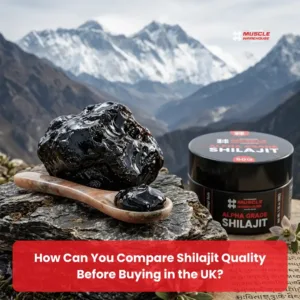
Buying shilajit in the UK requires more than comparing prices or product photos. Pure Shilajit quality can vary because products differ in sourcing, purification, processing,... Continue reading
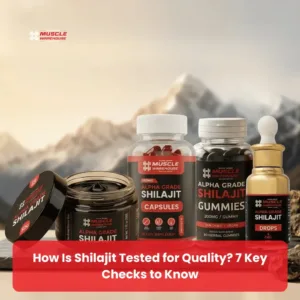
When buying shilajit, quality should come before price or packaging. Because shilajit comes from a natural source, its composition can vary according to sourcing, processing... Continue reading

Choosing himalayan shilajit high quality products requires more than looking at packaging or price. UK buyers should consider purity, processing, laboratory testing and product information... Continue reading